
The International Museum of Art & Science (IMAS) located in the Rio Grande Valley (McAllen, TX) inspires audiences of all ages to explore art and science through its permanent...
Read More
No places in this collection
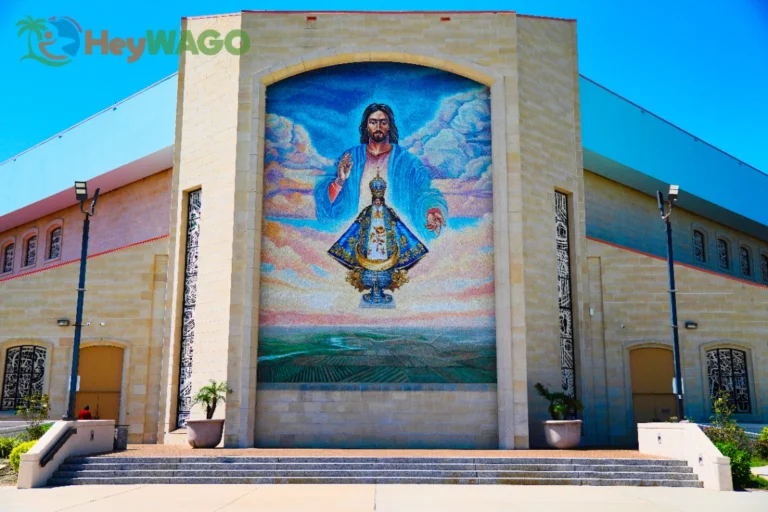
Walking into the Basilica of Our Lady of San Juan del Valle National Shrine in San Juan, Texas, I felt something extraordinary. Known as one of the most significant shrines in the United States, this site stands as a beacon of faith and community in the heart of the Rio Gran...
Read More
Walking into the Basilica of Our Lady of San Juan del Valle National Shrine in San Juan, Texas, I felt something extraordinary. Known as one of the most significant shrines in the United States, this site stands as a beacon of faith and community in the heart of the Rio Grande Valley. A Deeply Rooted HistoryThe origins of the shrine stretch back to 1949, when Rev. Jose Maria Azpiazu, O.M.I., inspired by the devotion to Our Lady of San Juan de los Lagos in Mexico, brought a replica statue of the Virgin Mary to his parish in San Juan. With permission from diocesan leadership, he commissioned the statue from Guadalajara and placed it in the church chapel, beginning what would grow into a major center of Marian devotion. A significant turning point came in 1970, when a small plane tragically crashed into the original shrine during Mass, destroying the building but — miraculously — sparing all 150 worshipers inside. Only the pilot perished. The statue of Our Lady was rescued from the flames by church staff. Many saw it as a sign of divine protection. The current basilica was completed in 1980, and by 1998 it was designated a National Shrine by the United States Conference of Catholic Bishops. In 1999, Pope John Paul II elevated it to the status of a minor basilica, further cementing its importance in the Catholic Church. A Destination for the FaithfulEvery year, the basilica welcomes over 1 million visitors, making it one of the most visited Catholic pilgrimage sites in the U.S. Many arrive from all over Texas, as well as California, Illinois, New York, and Mexico. The basilica grounds include peaceful gardens, a gift shop, a hotel for pilgrims, a Renewal Center, and the Stations of the Cross trail—perfect for personal reflection. Masses are celebrated daily in English and Spanish, and the basilica also offers confession, novena prayers, and seasonal liturgical celebrations that draw local and regional visitors. While the basilica hosts many events throughout the year, they are modest in attendance and rooted in reverence, not spectacle. A Spiritual and Cultural Landmark in the ValleyBeyond its religious significance, the basilica is a cultural cornerstone of the Rio Grande Valley. It serves as a symbol of shared heritage and faith, bringing together families, generations, and communities across borders. Why You Should VisitWhether you’re Catholic or simply seeking a moment of quiet and reflection, the Basilica of Our Lady of San Juan del Valle is a beautiful and welcoming place to visit. The architecture is inspiring, the atmosphere serene, and the history profound.
[...]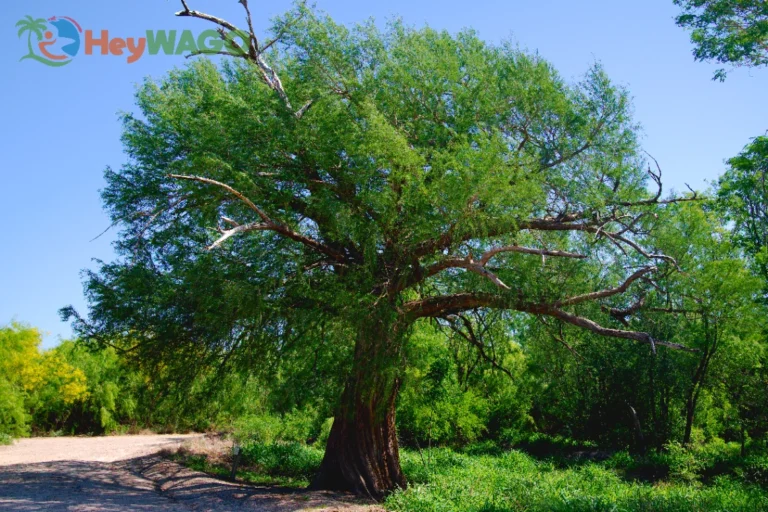
Discover the 900-Year-Old Montezuma Cypress in Abram, Texas: A Must-See Natural Wonder of the Rio Grande Valley Nestled near the community of Abram, just outside Mission, Texas, stands a living testament to nature’s resilience—the 900-year-old Montezuma Cypress (Taxodi...
Read More
Discover the 900-Year-Old Montezuma Cypress in Abram, Texas: A Must-See Natural Wonder of the Rio Grande Valley Nestled near the community of Abram, just outside Mission, Texas, stands a living testament to nature’s resilience—the 900-year-old Montezuma Cypress (Taxodium mucronatum). Known locally as “Monty,” this ancient tree offers a unique glimpse into the ecological and cultural history of the Rio Grande Valley (RGV). 🌳 A Living LegacyThe Montezuma Cypress, or “ahuehuete” (meaning “old man of the water” in Nahuatl), is Mexico’s national tree and holds significant cultural importance. Historically, these majestic trees lined the banks of the Rio Grande, but extensive logging in the 19th and early 20th centuries drastically reduced their numbers. Monty stands as one of the last remaining giants from this era, estimated to be around 900 years old based on it’s impressive 22-foot trunk circumference measured at 5.2 feet above ground. 🌿 Ecological SignificanceMontezuma Cypresses are vital to riparian ecosystems. Their extensive root systems stabilize riverbanks, prevent erosion, and improve water quality. These trees provide critical habitat for various wildlife species, including birds and aquatic organisms. Monty’s survival, despite being isolated from the Rio Grande due to natural river course changes, underscores the species’ resilience. 🛡️ Conservation EffortsRecognizing the ecological and historical value of Montezuma Cypresses, conservationists and local organizations have initiated efforts to protect and restore these majestic trees. The Nature Conservancy’s Southmost Preserve in Brownsville safeguards one of the last stands of old-growth Montezuma Cypresses in the United States. Efforts include planting saplings, habitat restoration, and community education to ensure these trees continue to thrive for future generations. 📍 Visiting MontyLocation: The tree is situated on the floodplain of the Rio Grande in Abram, Texas, approximately one mile from the current river channel. Access: Monty stands behind the border wall, accessible via a steel gate. Visitors should be aware of the presence of Border Patrol agents and may need to pass through checkpoints. It’s advisable to carry identification and be prepared for possible questioning. Pinterest Directions: Specific directions can vary, so consulting local resources or guides is recommended. Due to its proximity to the border, visitors should exercise caution and respect all posted signs and regulations. 🌟 Why Visit?For those seeking unique things to do in the RGV, a visit to Monty offers a profound connection to the past and an inspiring glimpse into the natural heritage of South Texas. Whether you’re a nature enthusiast, history buff, or simply looking for a peaceful spot to reflect, this ancient tree is a must-see landmark. Plan your visit and experience one of the Rio Grande Valley’s most remarkable natural wonders.
[...]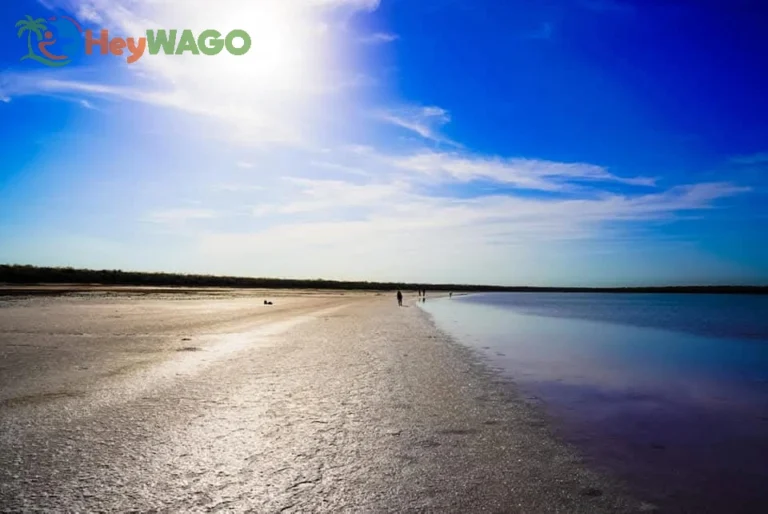
Tucked away just northeast of Edinburg, La Sal del Rey is one of the most unique and historically rich natural landmarks in the Rio Grande Valley (RGV). Part of the Lower Rio Grande Valley National Wildlife Refuge, this shallow salt lake is both a scenic destination and a fa...
Read More
Tucked away just northeast of Edinburg, La Sal del Rey is one of the most unique and historically rich natural landmarks in the Rio Grande Valley (RGV). Part of the Lower Rio Grande Valley National Wildlife Refuge, this shallow salt lake is both a scenic destination and a fascinating site of natural and cultural significance—making it a great option for anyone looking for outdoor activities or hidden gems in South Texas. 🌬️ Formed by Nature, Shaped by Time La Sal del Rey lies in a wind-carved depression formed over 10,000 years ago during the Pleistocene-Holocene transition. Groundwater beneath the area is highly saline, and after periods of heavy rainfall, the basin fills to form a lake. With no natural outlet, the water slowly evaporates over time, leaving behind a thick, bright white salt crust. Depending on the season, visitors may find the lake completely dry with dazzling salt flats stretching out in every direction, or partially filled with shallow water no more than a meter deep. As the water evaporates, salt crystals begin to form, cracking and pushing up the crust into natural ridges—a unique geological phenomenon you can see up close. In late summer, the salt surface may appear pink due to Halobacterium, a salt-loving microbe that thrives in highly saline conditions. The edges of the lake are also known to host Artemia salina (brine shrimp) eggs, making it an interesting spot for nature and science enthusiasts alike. 🏞️ A Walkable, Wildlife-Friendly Destination La Sal del Rey is open to the public year-round and is easily accessible through the southern entrance off TX-186. From the parking area, it’s a short and easy 1 mile (1.6 km) hike to the lake. Along the way, visitors may encounter native South Texas wildlife, including birds, butterflies, and small mammals. It’s a peaceful place for birdwatching, photography, or simply enjoying the quiet natural landscape. The area is part of a protected wildlife refuge, so while exploring is encouraged, it’s important to respect the natural habitat. Walking on the salt flats is permitted, and visitors can observe the formation of salt crystals, selenite (gypsum) crystals, and the lake’s ever-changing surface. ⛏️ A Site Steeped in HistoryLa Sal del Rey isn’t just a natural marvel—it’s also historically significant. Indigenous peoples have been gathering salt from this lake for centuries. In the 1700s, under Spanish rule, it was a notable source of “The King’s Salt,” used for trade throughout New Spain. During the U.S. Civil War, the state of Texas mined salt from the lake to support war efforts. The salt trade continued well into the 20th century and played a role in shaping the region’s economy. Unlike its neighboring salt lakes—La Sal Vieja and Laguna Salada, which are on private land—La Sal del Rey is the only public-access salt lake in the area, making it a rare opportunity to explore this part of the Valley’s natural and cultural history firsthand. 📍 Plan Your VisitLocation: Off TX-186, northeast of Edinburg, TX Trail Length: Approx. 1 mile […]
[...]No events in this collection